

Aventurine – Gemstone, Precious Stone & Healing Stone
-
Chakra Rock Crystal - Amethyst - Citrine - Gemstone Bracelet - Jewelry - 925 Silver A Quality #6851
Regular price €49,90 EURRegular price -
Chakra Wooden Bead Gemstone Bracelet - Gemstone Bracelet - Amethyst - Rock Crystal - Aventurine Jewelry 925 Sterling Silver #6816
Regular price €39,90 EURRegular price -
Tree of Life Pendant with Aventurine - Gemstone - Tree of Life - A Quality - Jewelry with 925 Sterling Silver Plating #6733
Regular price €19,90 EURRegular price -
Aventurine Small - Gemstone - Tumbled Stone - Palm Stone - A Quality #6249 - seelensteinchen
Regular price From €4,90 EURRegular priceUnit price €98,00/kg -
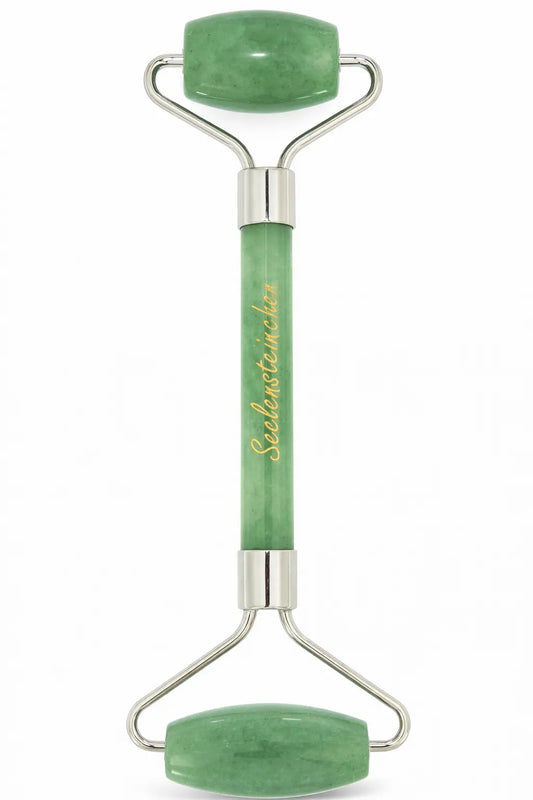
Aventurine PREMIUM Vital Massage Set Crystal Roller + Gua Sha - Guasha - Gemstone Roller - Jade - Face Roller
Regular price €39,90 EURRegular price -
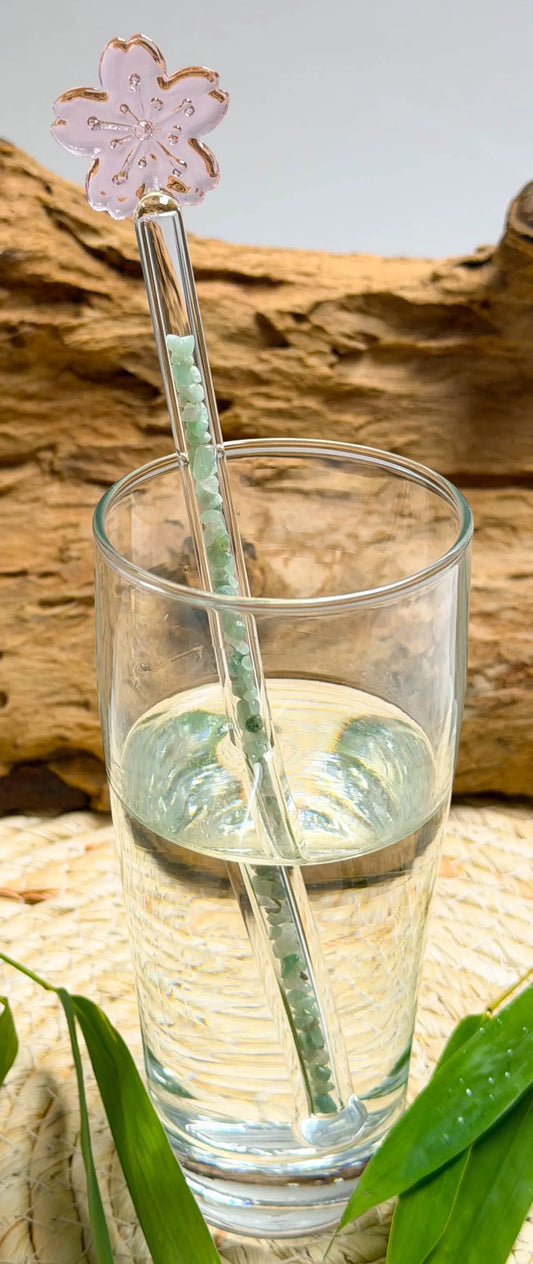
Gemstone Water Aventurine PREMIUM Vital Crystal Water Stick - Flower - Water Treatment - seelensteinchen
Regular price €14,90 EURRegular price -
Aventurine Tumbled Stone Jewelry Chain Pendant - Gemstone A Quality #5065
Regular price €9,90 EURRegular price -
Noble Aventurine Jade Gemstone Jewelry Bracelet. Yin & Yang - Gemstone Bracelet - 925 Silver #2206
Regular price €59,90 EURRegular price -
Aventurine Donut - Pi Disc Gemstone Jewelry Pendant AA Quality 40mm #2074
Regular price €14,90 EURRegular price -
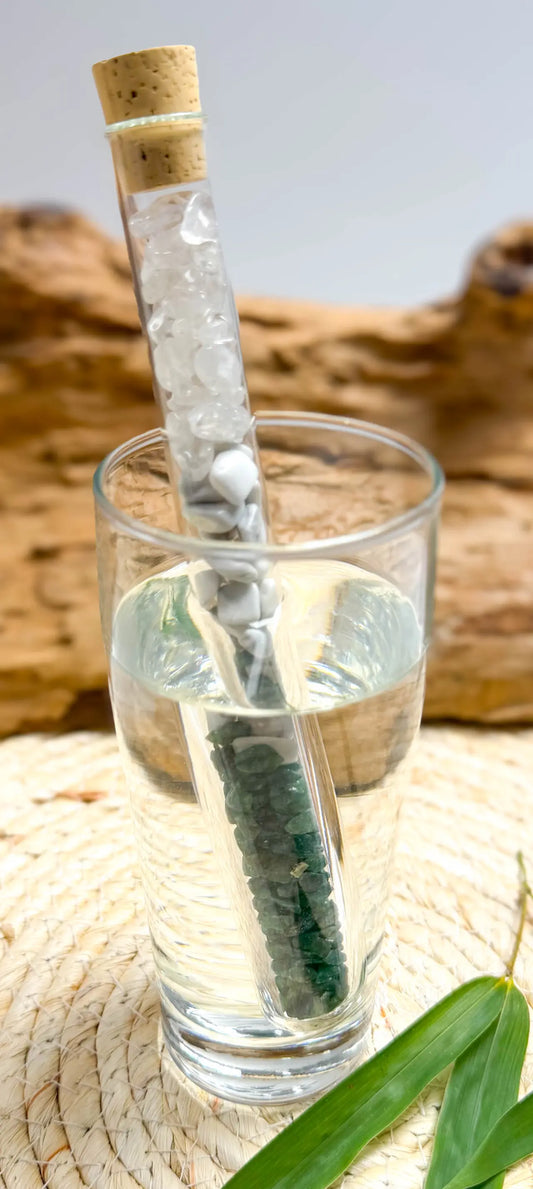
Gemstone Water Wand Aventurine Blend - Water Stones - Energize Water #2002 - seelensteinchen
Regular price €12,90 EURRegular price -
Aventurine Tumbled Stone Gemstone Jewelry Chain Pendant - A Quality #0547
Regular price €8,90 EURRegular price -
Einhorn Gravur aus Aventurin – Edelstein-Figur 65 × 50 × 25 mm #8087
Regular price €89,90 EURRegular price -
Aventurine Cabochon Pendant – Gemstone with 925 Silver Bail #8028 - seelensteinchen
Regular price €19,90 EURRegular price -
Aventurine Cabochon Pendant - Gemstone with 925 Silver Bail #8026 - seelensteinchen
Regular price €19,90 EURRegular price -
Star Aventurine - Gemstone Jewelry Necklace - Collier - Gemstone Chain - 925 Silver #7115
Regular price €159,90 EURRegular price -
Orange Aventurine Tumbled Stone Gemstone Jewelry Necklace Pendant - A Quality #7088
Regular price €8,90 EURRegular price -
Aventurine Swing Heart - Tumbled Stone Jewelry Necklace Pendant - Gemstone A Quality #6923
Regular price €12,90 EURRegular price -
Aventurine Heart - Tumbled Stone Jewelry Necklace Pendant - Gemstone A Quality #6922
Regular price €14,90 EURRegular price -
Aventurine Heart - Tumbled Stone Jewelry Necklace Pendant - Gemstone A Quality #6921
Regular price €12,90 EURRegular price -
Aventurine Navette Tumbled Stone Gemstone Jewelry Chain Pendant - A Quality #6894
Regular price €17,90 EURRegular price







Das könnte Ihnen auch gefallen
-

Tumbled Stone Pendant – Gemstone Jewelry Made from Real Natural Stones
Tumbled Stone Pendants made from Real Gemstones – Drilled Pendants for Protection,...
-

Gemstone Cabochons with Silver Bail
Gemstone Cabochons with Silver Eyelet – Classic Jewelry with Natural Elegance Perfect...
-

Water Stones & Rough Stones – Gemstones for Water Energization
Making Gemstone Water - Energizing Water Carefully selected raw gemstones for safe...
-

Shungite Pyramids – Natural Stone Pyramids Made of Shungite
Natural pyramids made of black shungite – stylish and unique.In various sizes...
-

Gemstone Necklaces – Stylish Jewelry Made of Genuine Natural Stones
Gemstone Necklaces Made from Real Natural Stones stylish jewelry with meaning &...
-

Gemstone Bracelets – high-quality jewelry crafted from genuine gemstones
Natural gemstones combined into stylish and versatile bracelets Each piece is...
-

Gemstone Earrings 925 Silver – elegant jewelry with genuine gemstones
Natural gemstones combined with high-quality 925 sterling silver
-

Larimar Silver Pendants – Exclusive Designs & Genuine Gemstones
Elegant silver pendants with genuine Larimar – inspired by the sea and...


